What is your skin type? Find out in 3 simple steps.
Correctly identifying your skin type is essential for choosing the right skincare products. Skin can be oily, combination, dry, normal, or sensitive, and each type has different needs.
Before you start shopping for skincare products, there is one essential step you need to take: find out your skin type. Just because a product works wonders for your best friend or a celebrity you admire doesn’t mean it will have the same effect on you.
Can your skin type change?
Also, don’t be surprised if your skin seems to behave differently at times. Although skin type is often said to be genetically determined, it can change over time—most commonly due to aging. As we get older, the skin tends to become drier because sebaceous glands produce less sebum. In addition, several other factors can cause fluctuations in your skin’s condition, including:
Factors that influence skin type
1. Climate
Your skin can adjust to seasonal and climate changes. Different skin types react differently to weather changes. For example, in a drier climate, people with dry skin may need more hydration. On the other hand, those with oily skin may notice either an improvement or a worsening of oiliness, as sebaceous glands may produce more oil to compensate for dryness. Heating systems and air conditioning can also affect the skin. It’s important to avoid extreme indoor temperatures.
2. Harmful environmental factors
Various environmental factors such as allergens, pollutants, free radicals, and UV radiation can affect the skin. According to dermatologists, up to 80% of premature aging is caused by sun exposure and the cumulative effects of UV rays.
3. Hormonal fluctuations
There are many reasons why hormone levels may fluctuate, and when they do, they can cause changes in the skin. These include menstruation, starting or stopping contraceptive pills, pregnancy, premenopause, or menopause. During these periods, the skin may become oilier and prone to acne, without this being a permanent change.
How to find your skin type – the 3-step test
- Pull your hair away from your face. Using a gentle cleanser, remove all traces of makeup
- Rinse thoroughly and gently pat dry with a soft cotton towel.
- Wait one hour. Place a clean tissue over your face and gently press. Remove it and observe the results.
If you have…
Oily skin
People with oily skin will notice spots on multiple areas of the tissue. These will be visible and transparent. Signs of oily skin include enlarged pores, a shiny appearance, and acne. Gentleness is key for this skin type. Many standard products contain harsh ingredients that strip the skin of its natural oils. When this happens, pores “react” by producing even more oil to compensate—creating a vicious cycle.
Sabio recommendation – Sebum-regulating cream for oily, combination, acne-prone skin, formulated to control excess sebum
Dry skin
Does the tissue look the same as before you applied it to your face? If your skin leaves no trace of sebum, you likely have dry skin. It often feels tight and may appear dull.
Sabio recommendation – Intensely hydrating day cream for mature skin
Normal skin
If you have normal skin, you will notice very little sebum on the tissue. Your skin feels comfortable and looks healthy. A minimal skincare routine is usually sufficient.
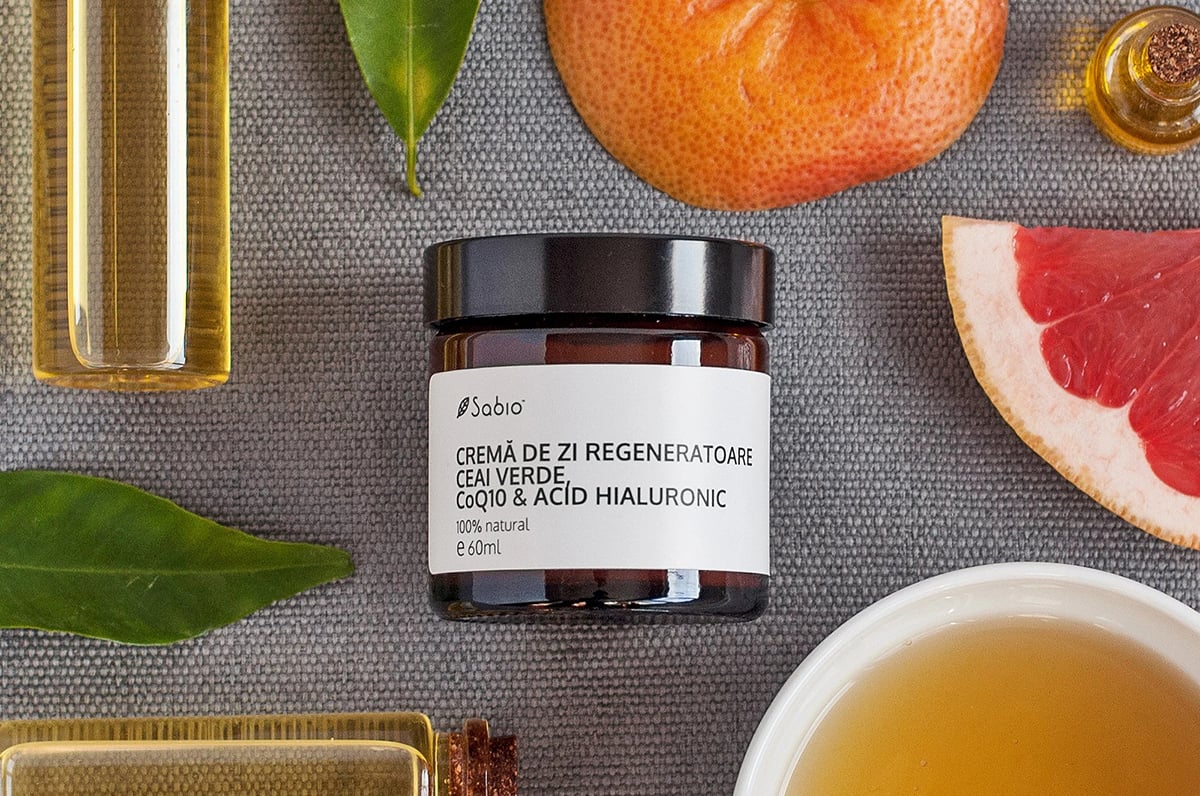
Sabio recommendation – Regenerating day cream with Green Tea, Hyaluronic Acid, and Coenzyme Q10
Sensitive skin
Sensitive skin irritates easily. It often has visible blood vessels and redness or irritation. It is very important for people with this skin type to avoid products containing fragrance and harsh chemicals, which are the main causes of allergies and skin irritation.
Sabio recommendation – Nourishing day cream with hyaluronic acid, jojoba, and panthenol
Do you know your skin type and which products work best for you?
Frequently Asked Questions about skin type
How can I tell what my skin type is?
You can do a simple at-home test by observing how your skin behaves one hour after cleansing.
Can your skin type change over time?
Yes, age, climate, and hormonal fluctuations can influence skin characteristics.
Do different skin types require different routines?
Yes, each skin type has specific needs and requires tailored products.

© 2012 - 2026 Sabio Cosmetics
RO30798770 - J40/12026/2012