What are stretch marks and how to reduce or prevent them
Stretch marks are changes in the skin caused by rapid stretching and the breakdown of collagen and elastin fibers. They commonly appear during periods such as pregnancy, puberty, or weight fluctuations.
Stretch marks are one of the biggest aesthetic concerns for many women—and in some cases men—due to the way they affect the appearance of the skin. So how can we prevent them, and how can we reduce their appearance if they’ve already formed?
What are stretch marks
The skin is made up of three layers: the epidermis, dermis, and hypodermis. The epidermis is the outer, visible layer. The middle layer, the dermis, consists of connective tissues and fibers, along with hair follicles and sweat glands. It plays a key role when it comes to stretch marks, as it helps the skin stretch and maintain its shape. The deepest layer, the hypodermis, is made up of fat and connective tissue.
Causes of stretch marks
Stretch marks result from the tearing of the dermis. Rapid stretching of the skin—usually associated with quick weight gain or loss—is the most common cause. Other causes include hormonal changes linked to puberty, pregnancy, or bodybuilding.
If the dermis has an insufficient support structure made up of proteins and fibers such as collagen and elastin, then when the skin stretches quickly (as it does during pregnancy), the body’s ability to support this expansion is quickly exceeded, leading to tears in the dermis.
What stretch marks look like
Stretch marks initially appear as thin red or purple lines, similar to a pencil line, or sometimes wider. They can be short or long, may cause itching, and in some cases can even be painful. They can appear anywhere on the body but are most commonly found in areas with more fat tissue, such as the abdomen, breasts, buttocks, thighs, calves, or upper arms. They do not cause health problems, but they can have a psychological impact.
Can stretch marks be removed?
It is not possible to fully repair tissue once it has been torn.
Over time, with proper topical treatment, they can fade to the point of becoming barely noticeable. The best approach remains prevention, along with favorable genetics, as the likelihood of developing stretch marks is partly hereditary.
Recommended products for preventing and reducing stretch marks
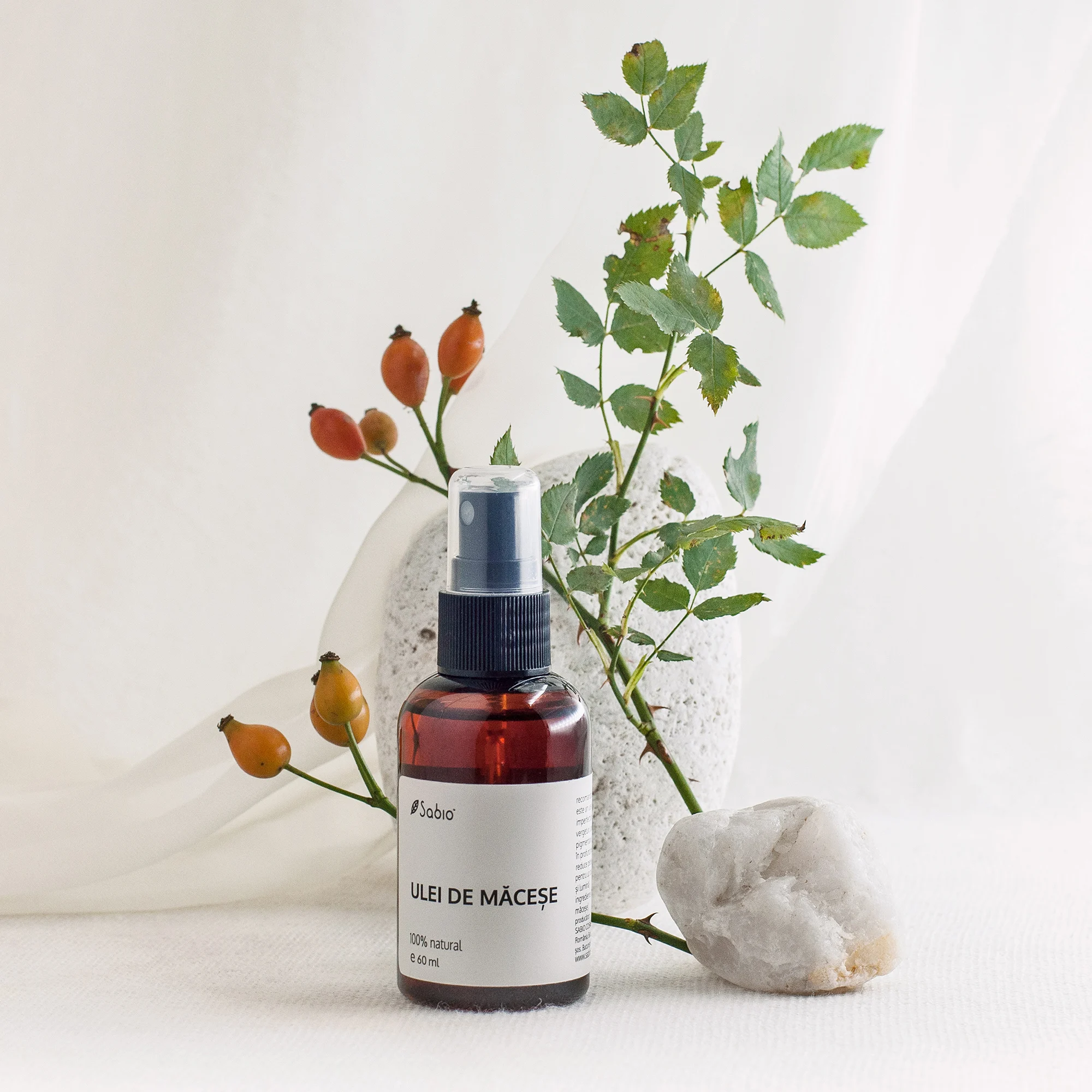
- Rosehip Oil (Rosa Mosqueta) for skin regeneration
- Organic unrefined Shea Butter for intense hydration
- Body Cream – Reshaping & Firming for elasticity
- Bust Firming Serum for toning
- Pregnancy Anti-Stretch Mark Oil for prevention
Frequently asked questions about stretch marks
Why do stretch marks appear?
Due to rapid skin stretching and the breakdown of collagen and elastin fibers.
Can stretch marks be completely removed?
Not completely, but they can be visibly reduced with consistent care.
How can I prevent stretch marks?
By keeping the skin hydrated, maintaining elasticity, and avoiding sudden weight fluctuations.

© 2012 - 2026 Sabio Cosmetics
RO30798770 - J40/12026/2012