7 Essential Tips for Cuticle Care
Cuticles are the thin layer of skin at the base of the nail, acting as a protective barrier against bacteria and infections. Proper cuticle care prevents dryness, cracking, and an unattractive appearance of the nails.
Neglecting cuticle care can make even the most stunning manicure pointless. You may have the most beautiful nail polish color and perfectly shaped nails, but if your cuticles are damaged, cracked, or dry, the effort to achieve a flawless look is wasted. Let’s take a look at the seven essential tips for cuticle care.
“Push it real good!” – How to properly push back cuticles
Salt-N-Pepa were right about this, at least when it comes to cuticle care. Gently push them back until you achieve a perfect half-moon shape at the base of the nail. This is easier to do after soaking them in warm water.
Apply a special oil – Why cuticle oil is important
Cuticle oil is surprisingly effective in softening the cuticles and maintaining healthy skin. It makes them easier to manage, nourishes the nails, supports their strength and flexibility, and helps prevent brittleness, dryness, and cracking.
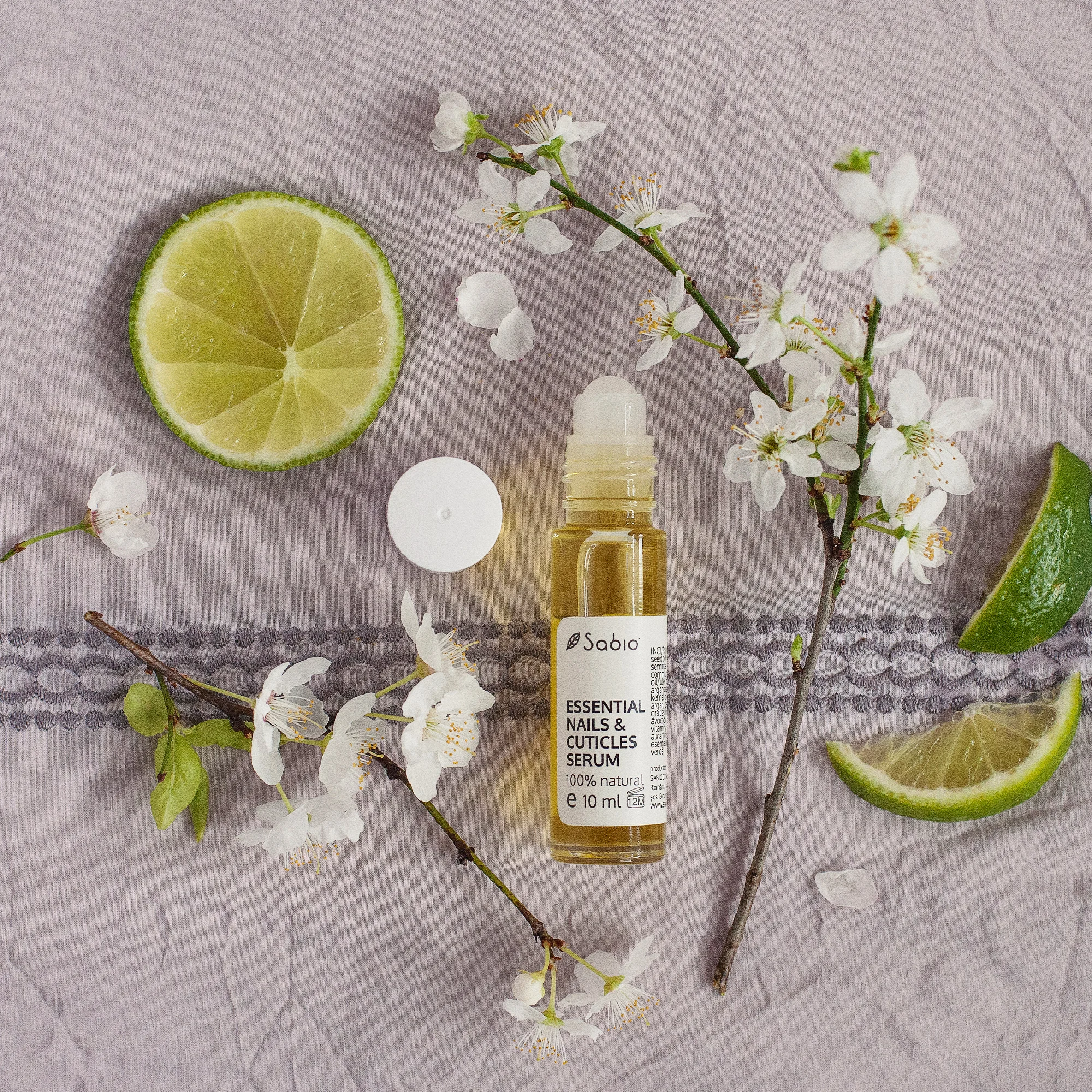
Sabio recommendation: 100% natural Nail and Cuticle Serum, formulated with essential oils for intense hydration, regeneration, and protection of nails and cuticles.
Should you cut your cuticles?
Keep in mind that cuticles protect your nails and fingers from bacteria, infections, and other harmful factors. Everyday activities can damage them, which may tempt you to remove the affected skin. Resist this urge and instead apply a cuticle treatment.
Sabio recommendation: Essential Nail and Cuticle Serum, formulated with plant oils that provide toning, strengthening, and moisturizing effects.
Moisturize frequently – How to properly hydrate cuticles
Cuticles are mostly made of skin, so they need to be hydrated and nourished. When they dry out, they can crack, leading to an unpleasant appearance. Daily application of skincare products keeps them healthy and hydrated. Oil-based products or even cosmetic butters are ideal, as they create a protective layer.
Sabio recommendation: Organic unrefined cocoa butter or Organic unrefined Shea butter.
Avoid contact between cuticles and your mouth – Why saliva should be avoided
Saliva contains enzymes that can quickly cause cuticles to crack. If you have a habit of biting your nails or eating with your hands, wash your hands frequently and try to minimize contact between your cuticles and your mouth.
Avoid acetone – Why it’s best to avoid it
Acetone is effective at removing nail polish, but it is very harsh and quickly dries out both nails and the surrounding skin. Use an acetone-free nail polish remover to reduce this risk.
Frequently Asked Questions about Cuticle Care
Should cuticles be cut?
Frequent cutting is not recommended. Cuticles serve a protective role, and it is safer to gently push them back after softening.
How often should cuticles be moisturized?
Ideally daily, especially if they are exposed to water, detergents, or low temperatures.
Why do cuticles become dry and cracked?
Due to dehydration, the use of acetone, and repeated exposure to harsh substances.
What helps most with cuticle care?
Regular application of a nourishing oil or serum and avoiding mechanical damage.

© 2012 - 2026 Sabio Cosmetics
RO30798770 - J40/12026/2012